




News
The more work AI can take on, the more important it becomes to get people together
News and EventsIndustry Insight
As AI moves beyond a productivity tool to reshape how work gets done, how should organisations prepare? Industry experts explore the foundations for AI-enabled workplaces — and why human connection may become even more valuable.
AI is advancing rapidly, opening up possibilities that extend well beyond automating individual tasks. From digital twins and connected buildings to systems that can anticipate needs and improve operational decisions, the potential is to fundamentally change how organisations work.
For businesses, this raises a bigger question than which technologies to adopt: how should they prepare for AI to change the nature of work itself?
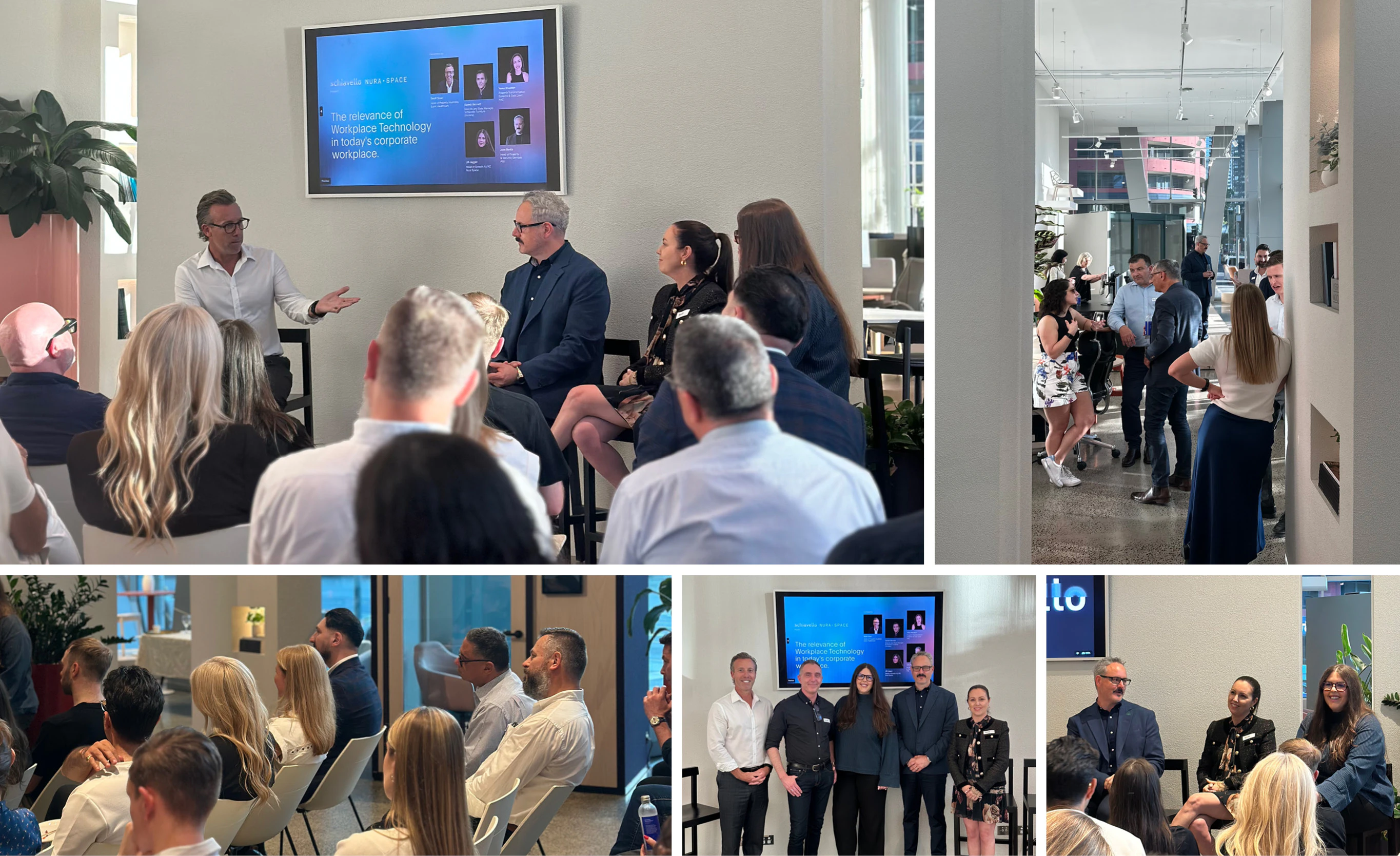
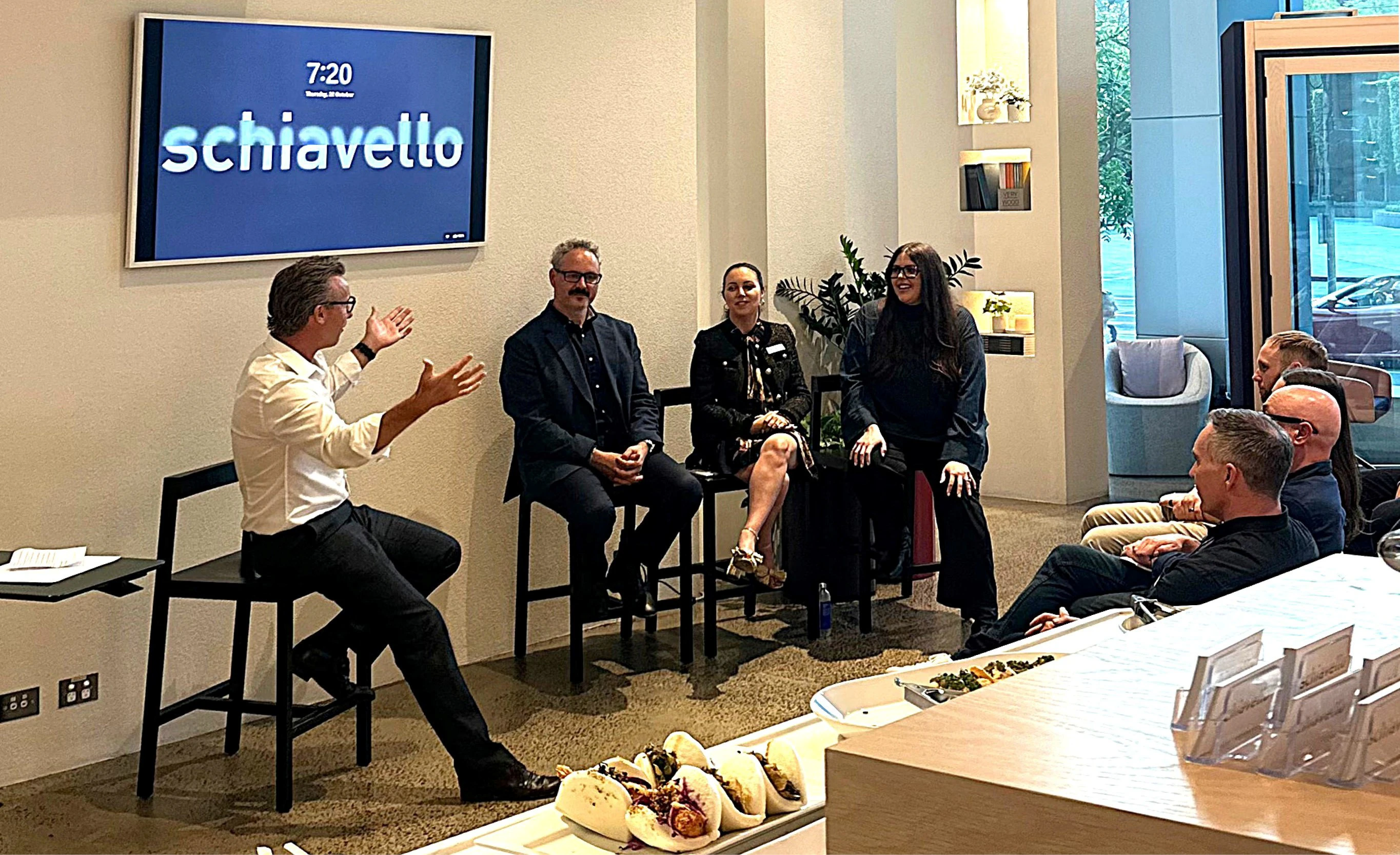
At Schiavello’s recent Tech in the Corporate Workplace event in Melbourne, industry experts explored the opportunities and challenges shaping the future of workplace technology. The discussion built on the broader conversation around creating more effective, flexible and connected workplaces, looking ahead to how organisations can prepare for a future in which AI may change not only how work is done, but what people need from their workplace.

Better decisions start with better data
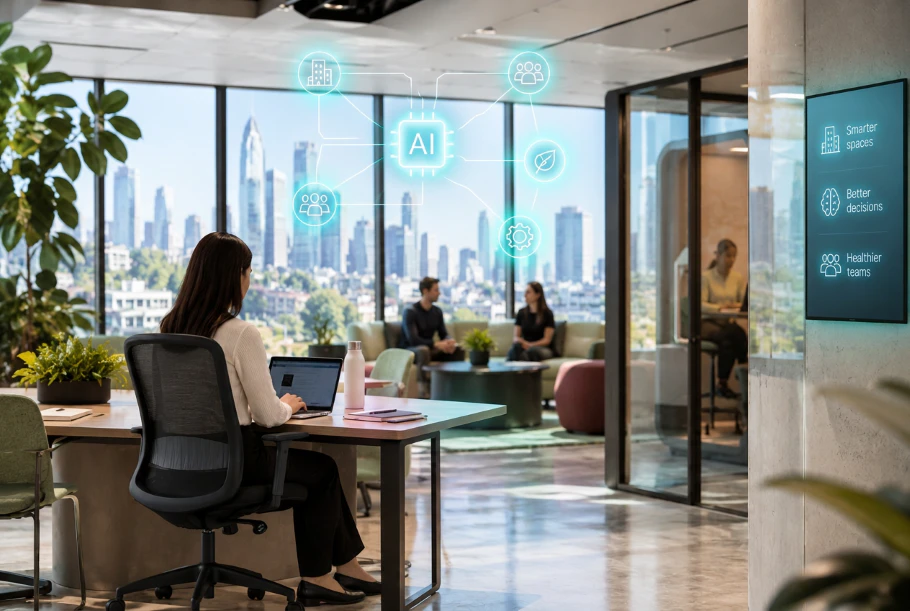
Workplace technology is only as effective as the information behind it. Reliable data helps organisations understand how spaces are used, identify inefficiencies and make informed decisions about workplace and property portfolios.
However, collecting data is only part of the equation. Organisations also need clear accountability for its quality, appropriate governance and the capability to turn information into meaningful action.
These foundations become even more important as AI capabilities develop. Connected systems and digital twins may enable organisations to anticipate building requirements, improve operational performance and make decisions with greater insight. Without reliable data and a clear understanding of business needs, adding more technology risks creating complexity rather than value.
Start with the business problem — and prove the value
With the pace of technological change, it can be tempting to focus on what new tools can do before establishing what the business actually needs. Industry experts highlighted the importance of starting with a clear objective and understanding how technology can deliver a measurable improvement.
As one panellist explained:
“You’ve got to show value quickly. Otherwise, you lose that moment. You lose momentum and interest.”
Starting with a specific business problem helps organisations test solutions, understand their impact and build confidence before expanding their investment. Experimentation also provides a practical way to explore emerging AI capabilities without needing to predict exactly how the technology will develop.
The opportunity is to balance immediate improvements with longer-term thinking. Small, purposeful experiments can deliver useful lessons today while helping organisations build the experience and confidence to pursue more ambitious applications tomorrow.


Governance, security and integration need to come early
As organisations connect more systems and introduce AI into business processes, governance and security cannot be afterthoughts. Clear accountability, appropriate safeguards and an understanding of risk are essential to building trust in new technologies.
Integration is equally important. Disconnected platforms can create complexity for IT and property teams and frustration for employees. Well-integrated systems, by contrast, can make information more accessible, streamline processes and create a more consistent workplace experience.
Property technology also needs to respond to the specific requirements of buildings, their users and the teams responsible for operating them. Understanding these needs is critical when connecting building systems, workplace platforms and enterprise technology.
The goal is not simply to introduce more tools, but to create an integrated environment in which technology works together to support business objectives.
Make technology work in the background
Technology is most effective when it helps people do their jobs without introducing unnecessary friction. Complicated interfaces, disconnected systems and processes that require constant intervention can undermine the benefits of an otherwise capable solution.
A more considered approach focuses on intuitive experiences and technology that responds to the needs of different users and environments.
This becomes increasingly important as AI is embedded into everyday work. For organisations to realise its potential, people need to understand how it supports their work, where its limitations lie and when human judgement remains essential. Adoption depends not just on what technology can do, but on how effectively it fits into the way people work.
AI and digital twins could change how work gets done
The opportunity extends beyond making existing processes faster. As AI develops and digital twins connect physical environments with digital information, organisations may be able to simulate scenarios, anticipate operational needs and coordinate work in new ways.
For property and facilities teams, this could support more proactive decision-making, helping identify issues earlier and make better use of building information. Across the wider business, AI may increasingly assist with complex tasks, freeing people to focus on work that requires judgement, creativity and collaboration.
These possibilities also raise a bigger question: what happens when AI changes the balance between the tasks people perform and the work technology can take on?
Preparing for this shift means looking beyond individual technology projects. Organisations need to consider how processes, roles and workplace requirements may evolve, while building the data, governance and integration foundations that will help them adapt as capabilities advance.
The more work AI can take on, the more important it becomes to get people together
As technology takes on more routine tasks and supports increasingly complex work, organisations have an opportunity to rethink how people spend their time — and what they need from the workplace.
Industry experts highlighted the enduring value of bringing people together, with one observing:
“All this new technology is making human interaction more important.”
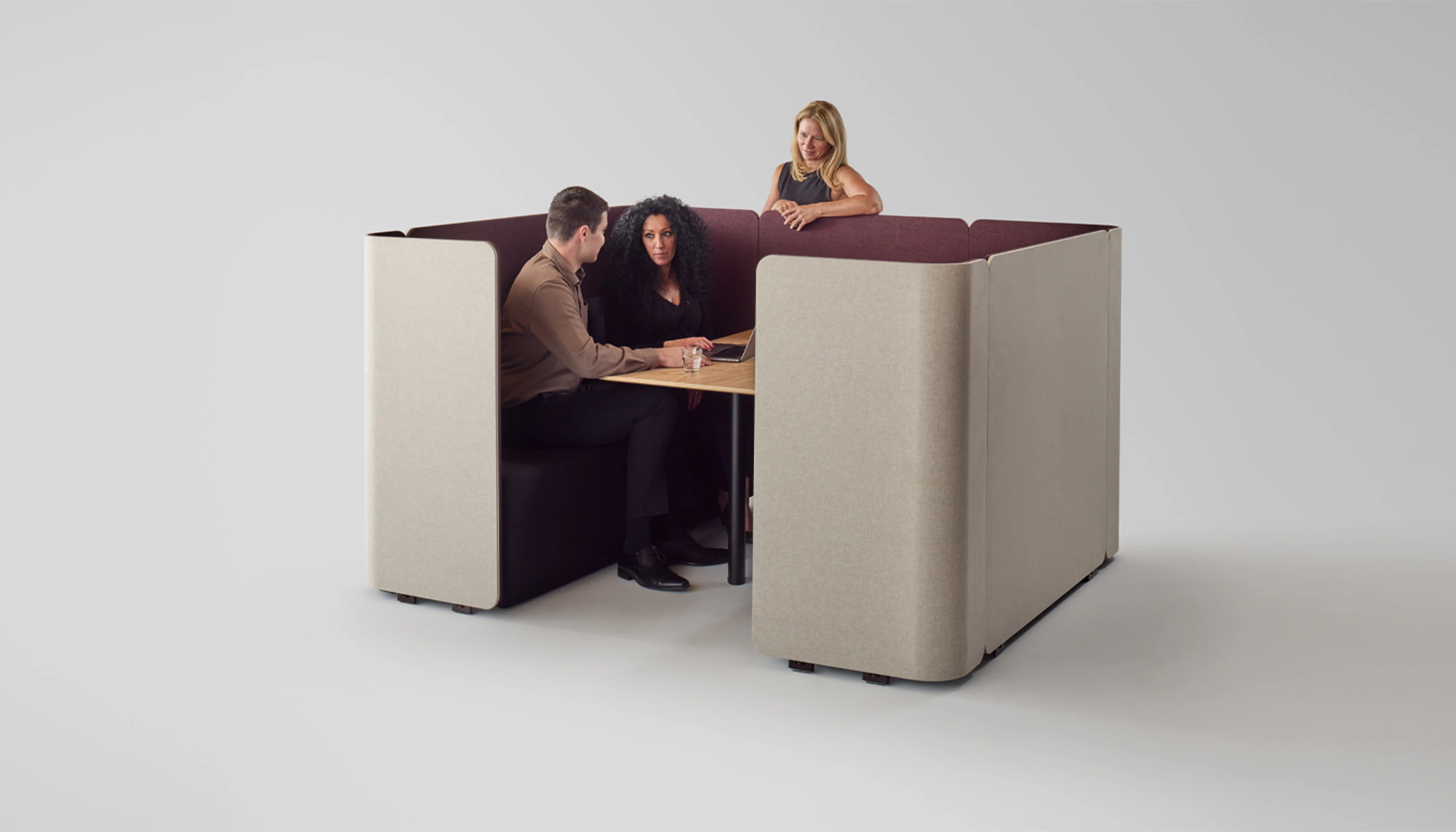
The value of the office may increasingly lie in creating the conditions for collaboration, knowledge sharing, mentoring and relationship building. These interactions help strengthen workplace culture, support learning and bring people together to develop ideas that benefit from shared experience.
This doesn't diminish the importance of technology. Rather, it highlights the need to consider digital capability and physical environments together. As the nature of work changes, workplaces must continue to support the human needs that technology cannot replace.
Preparing for AI is therefore not just a technology challenge. It also means considering how roles may evolve, which human capabilities become more valuable and how workplace environments can help people connect, collaborate and move ideas forward.

What this means for your business
Preparing for AI to change the nature of work means looking beyond technology adoption alone.
Start with strategy. Identify where AI can meaningfully improve business outcomes before selecting the technology.
Build strong foundations. Invest in reliable data, effective governance, security and integrated systems.
Prove value and learn. Test practical opportunities, measure results and build momentum for broader adoption.
Prepare for work to evolve. Consider how roles, processes and people's use of time may change as AI develops.
Keep people at the centre. Ensure technology and workplace environments support collaboration, creativity, connection and culture.
Preparing for what comes next
The next phase of workplace technology will be about more than connecting systems or improving existing processes. As AI capabilities evolve, organisations will need to consider how technology, physical environments and people's needs work together to support new ways of working.
At Schiavello, we bring furniture, workplace design and technology together to help organisations create environments that respond to changing needs — today and into the future.
To continue the conversation, please get in touch with your Schiavello consultant.